
Imagine your air conditioner struggling through a humid Connecticut summer day, or your furnace making strange noises during a freezing winter night. It’s easy to hope the problem can wait a few more weeks. But delayed HVAC repairs often turn small, manageable issues into larger system problems that cost far more to correct.
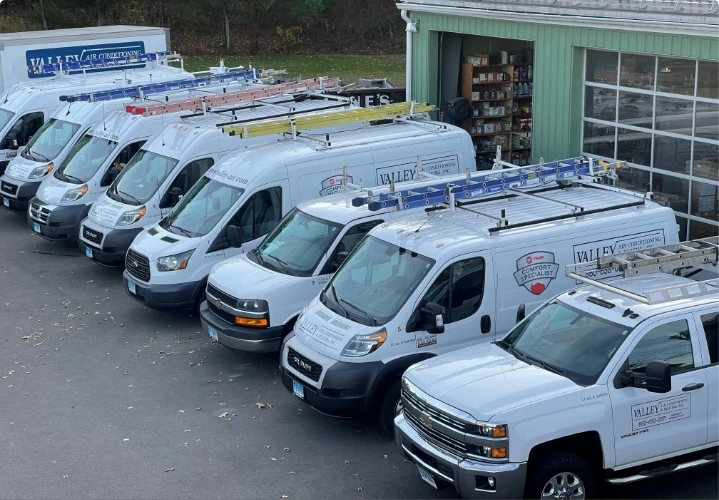
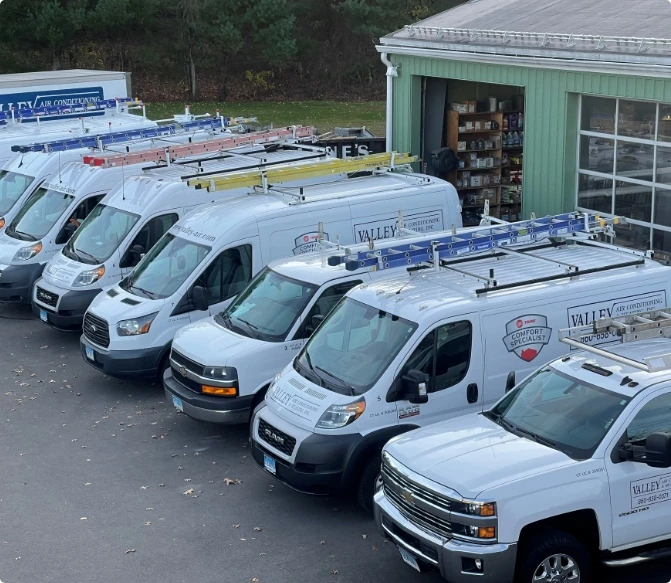
Valley Air Conditioning & Heating, LLC has been dedicated to helping local homeowners stay comfortable since 1988. Our focus is on providing helpful, dependable, and professional HVAC service for families throughout Simsbury, Granby, Avon, West Hartford, Canton, Bloomfield, Farmington, Burlington, and surrounding Hartford and Litchfield County communities. Whether the job is small or more complex, our team works to deliver the high-quality service Connecticut residents can count on.
When your heating or cooling system starts acting differently, it’s worth paying attention. At Valley Air Conditioning & Heating, LLC, we do our utmost to find every reasonable way to fix your current system before recommending replacement. Addressing warning signs early can help protect your comfort, your equipment, and your budget.
Why Ignoring HVAC Problems Gets Expensive Fast
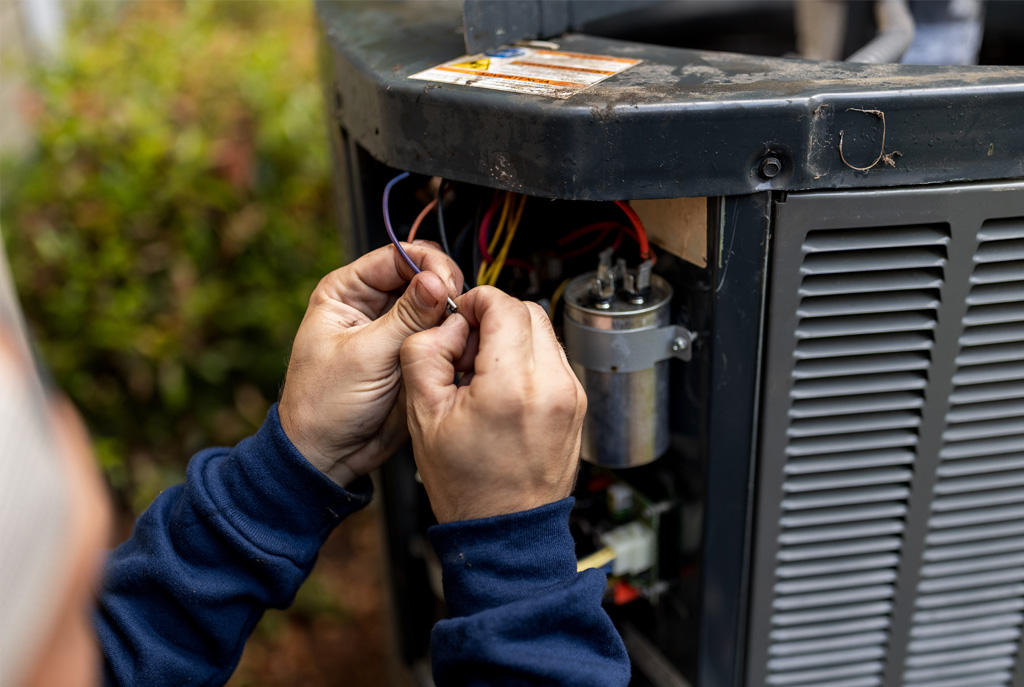
Your HVAC system works as one connected comfort system. When one component starts to fail, it often forces other parts to work harder. That added strain increases wear and tear, reduces efficiency, and raises the risk of a major breakdown.
In Simsbury and throughout Connecticut, HVAC systems deal with humid summers, freezing winters, seasonal temperature swings, and airborne dust and allergens that can affect airflow and efficiency. When small HVAC issues are ignored, the added strain can lead to higher energy bills, uneven comfort, and increased wear on important system components. Delaying repairs for too long may eventually result in expensive breakdowns, shortened equipment lifespan, or even complete system replacement.
For Valley Air Conditioning & Heating, LLC, dependable HVAC service starts with helping you understand what is happening in your home and what can be done about it. The sooner a technician can inspect the issue, the easier it may be to repair the system before a larger failure develops.
Weak Airflow Signals HVAC Performance Problems
Weak airflow is often a sign that your HVAC system is struggling to move air properly. The issue may come from blocked airflow, worn components, or problems inside the ductwork. The sections below explain what causes weak airflow, why delayed repairs increase strain, and how prompt service can help prevent bigger HVAC problems.
Common Causes of Weak Airflow
Weak airflow can be caused by clogged air filters, blocked vents, or dirty evaporator coils. It may also come from leaking ductwork that allows conditioned air to escape before it reaches your rooms. A failing blower motor can make the problem worse by reducing the amount of air moving through the system. These issues are especially noticeable during Simsbury’s hot summers and cold winters, when your HVAC system is under heavier demand.
Delayed Airflow Repairs Increase System Strain
When airflow is restricted, your HVAC system must run longer to reach the temperature set on your thermostat. That added runtime increases wear on motors, coils, and compressors. Over time, a simple airflow issue can contribute to frozen coils, overheating components, and higher monthly energy bills. Delaying service may turn a minor repair into a more expensive breakdown.
Strange HVAC Noises Signal Potential System Trouble
Strange HVAC noises often mean a component is loose, worn, or under stress. These sounds can become more serious when the system continues running. The sections below explain common noise causes, why delays can raise repair costs, and how timely service helps prevent HVAC damage.
Common Causes of Unusual HVAC Noises
Strange HVAC noises may come from loose components, failing motors, damaged belts, electrical problems, or compressor issues. A rattling sound may point to a loose panel or part, while squealing can indicate belt or motor trouble. Grinding often suggests worn mechanical components that need prompt attention. Each sound provides an important clue about what may be happening inside the system.
Delayed Noise Repairs Create Higher Repair Costs
A loose or worn part can cause serious damage when it is allowed to continue operating. For example, a worn belt may be simple for a licensed technician to replace early, but it can damage surrounding components if it breaks. Electrical issues are especially risky because they can lead to system shutdowns, overheating, or safety hazards. Waiting too long after hearing unusual noises often leads to a larger and more expensive repair.
Valley Air Conditioning & Heating, LLC takes these warning signs seriously because our goal is to help you keep your home comfortable and your system operating safely whenever repair is still possible.
Rising Energy Bills Often Signal HVAC Efficiency Problems
Rising energy bills often mean your HVAC system is working harder than it should. The problem may come from dirty components, refrigerant issues, airflow restrictions, or failing parts. The sections below explain what reduces efficiency, how delayed repairs increase monthly costs, and why early service helps restore performance.
Common HVAC Problems That Reduce Efficiency
Poor HVAC efficiency is usually caused by components that are dirty, worn out, or failing to operate correctly. Refrigerant leaks can reduce cooling performance and should always be handled by a licensed HVAC professional, while clogged filters and airflow restrictions force the system to work harder. Aging compressors and faulty thermostats may also cause uneven temperatures and longer run times. As efficiency drops, your system consumes more energy and experiences additional wear.
Delayed HVAC Repairs Increase Monthly Costs
An inefficient HVAC system must run longer to provide the same level of comfort inside your home. According to the U.S. Department of Energy, neglected HVAC equipment can lose efficiency over time and increase operating expenses. Delaying repairs may lead to rising utility bills, repeated service calls, and premature system replacement. Addressing the problem early can help reduce long-term repair and energy costs.
Frequent HVAC Cycling Places Stress on System Components
Frequent HVAC cycling often means your system is shutting on and off before completing a normal cycle. This issue may be caused by airflow restrictions, thermostat problems, refrigerant leaks, or oversized equipment. The sections below explain common cycling causes, how delays can damage major components, and why professional diagnostics help prevent system failure.
Common Causes of HVAC Short Cycling
Restricted airflow is one of the leading causes of short cycling in residential HVAC systems. A dirty filter can block airflow and force the system to shut down before completing a normal cycle. Refrigerant issues, thermostat malfunctions, and electrical problems may also interrupt normal operation. In some homes, oversized HVAC equipment can cool or heat the space too quickly and cycle off prematurely.
Delayed Cycling Repairs Can Lead to Major Damage
Frequent cycling places tremendous pressure on compressors, motors, and electrical components. If the issue is ignored, the system may eventually experience compressor burnout or complete failure. Short cycling also increases monthly energy costs because the system uses more power during startup. Addressing the problem early helps prevent expensive repairs and unnecessary equipment damage.
When your system keeps cycling on and off, professional diagnostics can help determine whether the issue is a repairable problem, a system sizing concern, or another equipment issue. That kind of honest guidance is central to Valley Air Conditioning & Heating, LLC’s service approach.
Water Leaks and Ice Buildup Often Indicate Serious HVAC Issues
Water leaks and ice buildup often mean your HVAC system has a moisture, drainage, or refrigerant problem. These issues can reduce cooling performance and place extra stress on major components. The sections below explain common moisture causes, how delayed leak repairs can damage your home and system, and why prompt attention helps prevent larger HVAC repairs.
Common Causes of HVAC Moisture Problems
Frozen coils usually develop when airflow becomes restricted or refrigerant levels are too low. Dirty filters and blocked condensate drains can also create excess moisture around the system. Refrigerant leaks may prevent your air conditioner from cooling efficiently and eventually damage the compressor, and they should only be inspected and repaired by a qualified HVAC technician. During hot Connecticut summers, these problems can quickly reduce indoor comfort.
Delayed Leak Repairs Can Damage Your Home and HVAC System
Small leaks may seem harmless at first, but they can create serious problems over time. Water around your HVAC system can lead to mold growth, electrical hazards, and property damage. Ice buildup may also prevent your air conditioner from cooling your home properly during extreme heat. Addressing leaks and frozen coils early with professional service helps prevent expensive repairs and system failure.
Unusual HVAC Odors Often Signal Hidden Problems
Strange odors coming from your vents are often warning signs that something inside your HVAC system needs attention. Burning smells may indicate overheating electrical components, while musty odors often point to mold or mildew growth. Chemical smells can sometimes signal refrigerant leaks that affect system performance and indoor air quality. If you notice burning, chemical, or strong unusual odors, stop using the system if it is safe to do so and contact a licensed HVAC professional for prompt inspection. Ignoring unusual odors may allow safety issues or equipment damage to get worse.
Common HVAC Smells and Their Causes
Different odors can reveal different HVAC problems inside your home. Burning smells are commonly linked to electrical issues, overheating motors, or damaged wiring. Musty odors may develop when moisture collects inside ductwork or around evaporator coils. Rotten or chemical smells can indicate drainage problems, pest issues, or refrigerant leaks that require immediate professional attention.
Delayed Odor Repairs Can Create Safety Risks
Some HVAC odors are more than just unpleasant and may indicate serious safety concerns. Electrical smells can signal overheating components that may eventually fail or create fire hazards. Mold growth inside the system can also reduce indoor air quality and affect respiratory health. Addressing unusual odors early helps protect your comfort, safety, and HVAC equipment.
What To Do If You Notice HVAC Warning Signs
Small HVAC problems can quickly become expensive when they are ignored. Taking quick action helps reduce system strain and prevents larger repairs later. The sections below explain simple homeowner checks and when it’s time to call a professional technician.
Step-By-Step HVAC Troubleshooting Checklist
- Replace your air filter if it is accessible and safe to do so
- Check thermostat settings and batteries
- Make sure vents and registers are open and not blocked by furniture or rugs
- Listen for unusual noises without opening or disassembling equipment
- Monitor utility bills for sudden increases
- Look for water leaks or ice buildup without touching electrical components or frozen coils
- Turn the system off and schedule professional diagnostics if you notice burning odors, electrical concerns, refrigerant leaks, ice buildup, or problems that continue
Delaying repairs after these warning signs can result in far more expensive damage. Helpful, professional service can protect your HVAC system from additional wear and unexpected breakdowns. Early repairs also help improve comfort, efficiency, and long-term system performance.
Valley Air Conditioning & Heating, LLC is here to help homeowners make practical decisions about their comfort systems. If a repair can restore safe, reliable performance, our team works to find that path before moving toward replacement.
Preventive HVAC Maintenance Reduces Expensive Repair Risks
Preventive HVAC maintenance is one of the most effective ways to reduce costly breakdowns. Regular service helps catch small issues before they damage major components. At Valley Air Conditioning & Heating, LLC, seasonal inspections, tune-ups, and preventive care help Connecticut homeowners keep their systems running efficiently. The sections below explain how routine maintenance protects performance, lowers operating costs, and supports reliable comfort through every season.
Routine Maintenance Improves HVAC Efficiency
Routine HVAC maintenance helps your system operate with less strain. Clean components, proper airflow, and calibrated controls allow heating and cooling equipment to work more efficiently. This can reduce unnecessary energy use and help keep monthly utility bills more manageable. Regular service also helps your system deliver steadier comfort throughout your home.
Preventive Tune-Ups Catch Small Issues Early
A seasonal tune-up gives technicians a chance to identify worn parts, airflow problems, and performance issues before they become expensive repairs. Small problems are often easier and more affordable to fix when they are found early. Preventive service can also reduce the risk of sudden breakdowns during extreme weather. This is especially important in Connecticut, where HVAC systems work hard through humid summers and freezing winters.
FAQs About HVAC Repairs in Simsbury, CT
Question: How much does HVAC repair cost in Simsbury, CT?
Answer: HVAC repair costs depend on the type of issue, system condition, and replacement parts required. Addressing minor problems early can often help reduce overall repair expenses.
Question: How often should HVAC systems be serviced?
Answer: Most HVAC systems should be professionally serviced twice a year, typically before the heating and cooling seasons. Regular maintenance helps improve efficiency, reliability, and system performance.
Question: Can delaying HVAC repairs damage my system?
Answer: Yes. Delaying HVAC repairs can place additional strain on major components and may lead to more serious and costly damage over time. Prompt repairs help protect system performance and lifespan.
Question: What are the signs of an HVAC emergency?
Answer: Burning odors, loud grinding noises, refrigerant leaks, electrical issues, and frozen coils are common signs of an HVAC emergency. These problems should be inspected immediately by a qualified professional to avoid safety risks and system failure.
Question: Why is my HVAC system running constantly?
Answer: An HVAC system may run constantly because of airflow restrictions, thermostat malfunctions, dirty filters, refrigerant issues, or failing components. A professional inspection can determine the exact cause and recommend the proper repair.
Question: Does preventive maintenance help save money?
Answer: Yes. Preventive HVAC maintenance can lower repair costs, improve energy efficiency, and reduce the risk of unexpected breakdowns. Routine service also helps extend the life of your heating and cooling system.
Schedule HVAC Service Before Small Problems Become Expensive Repairs
Minor HVAC issues rarely fix themselves. In most cases, delaying repairs only allows the problem to worsen, increasing the risk of expensive damage, system failure, and emergency replacement costs. If your heating or cooling system has been making unusual noises, struggling to maintain temperatures, leaking water, or causing rising energy bills, now is the time to act.
Valley Air Conditioning & Heating, LLC proudly provides high-quality HVAC repair, maintenance, installation, and replacement services for residential and commercial customers throughout Simsbury, CT and nearby Hartford and Litchfield County communities. Our team stands behind the work we do and is dedicated to helping you stay comfortable through every season.
Still have questions about HVAC repairs? Schedule service with Valley Air Conditioning & Heating, LLC for helpful, dependable HVAC service in Simsbury, CT and surrounding communities.