
A heating problem on a freezing Connecticut night can quickly become more than an inconvenience. Some issues can wait for a regular appointment, while others may threaten your safety, your home, or your heating equipment.
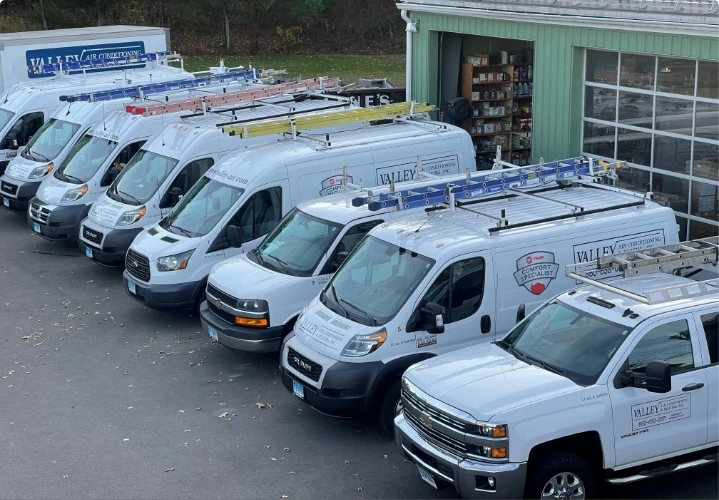
For Simsbury homeowners, knowing the difference can help you respond appropriately. Valley Air Conditioning & Heating provides emergency heating repair for furnaces, boilers, heat pumps, ductless systems, and other heating equipment throughout Simsbury and surrounding Hartford and Litchfield County communities. The company has served Connecticut for more than 35 years with licensed and insured technicians.
What Is Considered an Emergency Heating Repair?
A heating problem is generally an emergency when it creates an immediate risk to people, property, or the heating system.
Common examples include:
- Complete loss of heat during freezing weather
- A carbon monoxide alarm
- A strong gas or rotten-egg odor
- Smoke, sparks, or persistent burning odors
- A major boiler leak
- Severe equipment failure that leaves the home without adequate heat
Minor issues such as uneven temperatures, occasional rattling, or slightly reduced airflow can often be scheduled during regular service hours if the system is still operating safely.
7 Signs You May Need Emergency Heating Repair
Certain heating problems require faster attention because they can affect your family’s safety, comfort, or property if they continue. Knowing the most serious warning signs can help you determine when it is time to stop troubleshooting and request emergency heating repair.
1. Loss of Heat During Freezing Weather
Complete heat loss during freezing weather can cause indoor temperatures to fall quickly and may put plumbing at risk. Check that the thermostat is set to heat, the system has power, the breaker has not tripped, and an accessible filter is not severely clogged. If the system still does not start, avoid repeatedly resetting it and request professional repair.
2. A Carbon Monoxide Alarm
A carbon monoxide alarm should be treated as a potential life-safety emergency. Get everyone outside, contact emergency services from a safe location, and do not re-enter or restart the heating system until authorities say it is safe. Afterward, have qualified professionals inspect the heating equipment and venting.
3. A Strong Gas or Rotten-Egg Odor
A strong gas-like or rotten-egg smell may indicate a fuel leak. Do not search for the source, operate electrical switches, or use appliances. Leave the property and contact the appropriate emergency or utility service from a safe location. Arrange HVAC inspection only after the property has been declared safe.
4. Burning Odors, Smoke, or Sparks
Persistent electrical odors, burning-plastic smells, smoke, or sparks may indicate a serious equipment problem. If smoke or fire is present, leave the home and contact emergency services. Otherwise, turn the system off only if you can do so safely and do not repeatedly restart it.
5. Loud or Sudden Equipment Noises
Grinding, screeching, banging, buzzing, or repeated booming can point to mechanical or ignition problems. A minor rattle with normal heating may be suitable for scheduled service. Severe noises combined with lost heat, burning odors, smoke, or repeated shutdowns require faster attention.
6. Significant Boiler Leaks
Water actively pooling around a boiler can damage nearby flooring, walls, ceilings, or belongings. If it is safe to do so without touching wet electrical components, shut the equipment down and request service.
7. Severe Heat Pump Ice Buildup
A light layer of frost can be normal, but heavy ice that remains on a heat pump may indicate a defrost, airflow, refrigerant, electrical, or mechanical problem.
Do not chip the ice away or pour boiling water over the unit. If the system is heavily iced and no longer heating properly, arrange professional service promptly.
What Usually Does Not Require After-Hours Repair?
Not every heating problem is an emergency.
Uneven room temperatures, slightly weaker airflow, occasional rattling, slower heating, or gradual increases in energy bills can often wait for normal service hours when the system remains safe and the home is still warm. These symptoms should still be inspected before a smaller problem becomes more serious.
What to Check When Your Heating System Stops Working
Before requesting emergency heating repair, a few basic checks may help identify a simple problem.
Check the Thermostat
Make sure the thermostat is set to “Heat” and the desired temperature is above the current room temperature. Replace the batteries if needed.
Check the Breaker Once
If the electrical panel is dry and shows no signs of burning, heat, smoke, buzzing, or sparking, check whether the heating-system breaker has tripped. You may reset it once if conditions appear safe. If it trips again, do not keep resetting it.
Inspect the Filter and Vents
If the filter is readily accessible, check whether it is severely clogged. Also make sure supply and return vents are open and not blocked by furniture, rugs, or curtains.
Do not remove equipment panels or access wiring, burners, fuel lines, or refrigerants.
Know When to Stop
Stop troubleshooting immediately if you notice a gas odor, carbon monoxide alarm, smoke, sparks, fire, or a strong electrical-burning smell. Move to a safe location and contact emergency services or the appropriate utility provider when there is an immediate safety hazard.
Staying Warm Safely While Waiting for Repair
Never use a gas oven, grill, generator, or other outdoor combustion equipment as an indoor heat source. These products can allow dangerous carbon monoxide to accumulate indoors.
If you use a portable electric space heater:
- Keep it at least three feet from combustible materials.
- Place it on a stable, flat surface.
- Plug it directly into a wall outlet.
- Do not use an extension cord.
- Turn it off before leaving the room or going to sleep.
If the home becomes too cold to remain safely, move to another heated location.
Winter Heating Safety for Simsbury Homes
Connecticut winters place heavy demand on furnaces, boilers, and heat pumps. Snow and ice can also block exterior appliance vents. After significant snowfall, visually check accessible exterior vents from a safe location. Keep the surrounding area clear when loose snow can be removed safely from ground level.
Do not climb on icy surfaces, insert tools into vent openings, or dismantle vent components yourself.
How Heating Maintenance Can Help
Some emergency heating failures begin as smaller problems that may be identified during routine maintenance. A professional tune-up can include checking burners, heat exchangers, safety controls, electrical connections, airflow, filters, leaks, pressure, heat-pump coils, and other components for developing issues.
Annual professional maintenance can support safer operation, more reliable performance, and earlier detection of problems that may otherwise lead to an unexpected breakdown.
Emergency Heating Repair in Simsbury and Nearby Communities
Valley Air Conditioning & Heating provides heating and HVAC services throughout Simsbury and communities across Hartford and Litchfield Counties, including Avon, Bloomfield, Burlington, Canton, Farmington, Granby, West Granby, West Hartford, West Simsbury, Windsor, and Windsor Locks.
Homeowners can turn to Valley Air Conditioning & Heating for furnaces, boilers, heat pumps, ductless systems, maintenance, repairs, replacements, and emergency HVAC needs. The company promotes straightforward pricing, licensed and insured technicians, and more than 35 years of Connecticut HVAC experience.
FAQs About Emergency Heating Repair in Simsbury, CT
Question: Is no heat considered an HVAC emergency?
Answer: A complete loss of heat can become an HVAC emergency when outdoor temperatures are freezing or indoor temperatures are dropping to unsafe levels. Prompt repair can help protect household members, plumbing, and the heating system from additional risks.
Question: Should I call an HVAC technician if my carbon monoxide alarm sounds?
Answer: Leave the home and contact emergency services first rather than attempting to inspect the furnace or boiler yourself. After authorities declare the property safe, have a qualified HVAC professional inspect the fuel-burning heating equipment and related venting.
Question: Is a burning smell from my furnace an emergency?
Answer: A persistent electrical or burning-plastic odor can indicate overheating wiring, a failing motor, or another potentially serious malfunction. Turn the furnace off only if it is safe to do so without approaching a hazardous area and request professional service, especially if the smell is accompanied by smoke or sparks.
Question: What should I check before calling for emergency heating repair?
Answer: Check the thermostat settings and batteries, and visually check the heating-system breaker, an accessible air filter, and accessible vents if there are no immediate safety hazards. Do not remove equipment or electrical-panel covers, access wiring, burners, or fuel components, or repeatedly reset a tripped breaker. Stop troubleshooting and move to a safe location if you detect gas, smoke, sparks, fire, or carbon monoxide.
Question: Can a furnace problem wait until morning?
Answer: Minor issues may be suitable for a normal service appointment when the system is still heating safely and there are no signs of an immediate hazard. Complete heat loss during freezing weather, major leaks, smoke, strong burning odors, or other serious safety concerns should receive faster attention.
Know When a Heating Problem Cannot Wait
A heating problem becomes urgent when it threatens safety, safe indoor temperatures, or your property. Complete heat loss during freezing weather, carbon monoxide concerns, smoke, major leaks, or strong burning odors are signs to act quickly.
Valley Air Conditioning & Heating provides heating repair throughout Simsbury and nearby communities for furnaces, boilers, heat pumps, ductless systems, and other heating equipment.
Heating problem getting worse? Schedule Heating Repair With Valley Air Conditioning & Heating Today.