
You lower the thermostat, hear the central AC kick on, and most of the house starts to cool down. But one bedroom, office, bonus room, or upstairs space still feels warm, sticky, and uncomfortable.
That “one hot room” is more than frustrating. It can point to restricted airflow, duct leaks, poor insulation, thermostat issues, or an AC system that needs repair. In Simsbury, where summer humidity can put extra strain on cooling systems, ignoring uneven cooling can lead to higher energy bills and added wear on your equipment.
At Valley Air Conditioning & Heating, LLC, homeowners in Simsbury and nearby Connecticut communities can get helpful, dependable service to find the real cause of hot rooms, weak airflow, and central AC performance problems.
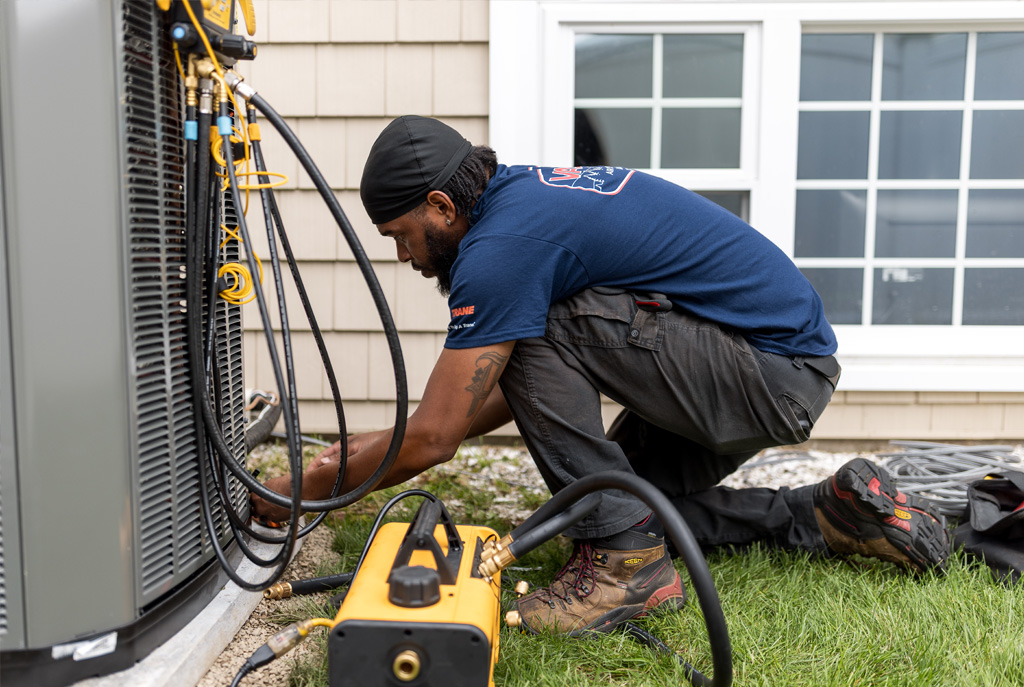
Signs Your Central AC Needs Repair When One Room Stays Hot
An older HVAC system often shows subtle warning signs before it completely breaks down. Below are some of the most common indicators that your system may be losing efficiency and wasting energy throughout your home.
Weak Airflow Can Keep One Room From Cooling Properly
Weak airflow often starts with a clogged filter, blocked vent, closed damper, dirty coil, or duct problem. When one room receives less conditioned air than the rest of the home, your AC may run longer while still failing to cool that space. That extra runtime can increase energy use, reduce comfort, and place unnecessary strain on the system. If the room is far from the air handler, even a small airflow restriction can make the temperature difference more noticeable.
Start by replacing or cleaning the air filter, opening the supply vents, and moving furniture, rugs, or curtains away from registers. Keep interior doors open when possible so air can circulate more freely through the home. If airflow from the hot room’s vent feels noticeably weaker than other rooms, the issue may be deeper in the ductwork or central AC system.
Leaky or Poorly Balanced Ducts Can Stop Cool Air From Reaching the Room
Central AC depends on ductwork to deliver cool air evenly throughout the home. If ducts are leaking, disconnected, undersized, or poorly balanced, one room may stay hot while nearby rooms feel comfortable. Cool air may be escaping into attics, basements, crawl spaces, or wall cavities before it reaches the room that needs it most. This can waste energy and make the system work harder without solving the comfort problem.
Common signs of duct trouble include one room that always feels hotter, weak airflow from a specific vent, whistling duct noises, dusty rooms, or high energy bills with poor comfort. If the problem is isolated to one space, duct design or duct leakage may be part of the cause. A professional airflow inspection can identify whether the duct run needs sealing, balancing, repair, or redesign.
Too Much Sun Exposure Can Overpower Cooling in One Room
South- and west-facing rooms often absorb more afternoon heat than other parts of the home. Large windows, poor shading, older glass, and thin insulation can all make one room feel much warmer, even when the central AC is operating properly. In this situation, the room may be gaining heat faster than the system can remove it. The result is a space that feels hot, humid, or uncomfortable while the rest of the house feels fine.
Closing blinds during peak sun hours, using thermal curtains, sealing gaps around windows, and improving attic or wall insulation can help reduce heat gain. Ceiling fans can also improve air movement and make the room feel more comfortable. If the room still does not cool properly, the AC may need airflow balancing or a professional evaluation to confirm whether the issue is comfort-related, equipment-related, or both.
Dirty Coils or Low Refrigerant Can Reduce Cooling Performance
Dirty evaporator coils, dirty condenser coils, and incorrect refrigerant levels can all reduce how effectively your central AC removes heat. When the system loses cooling capacity, the farthest or hardest-to-cool room often becomes uncomfortable first. The AC may still run, but the air coming from the vents may not feel as cool as it should. Over time, this can lead to longer cycles, higher bills, and increased wear on the equipment.
Call a professional if the air from your vents is not very cool, the AC runs constantly, the outdoor unit is dirty or blocked, ice appears on the refrigerant line, or energy bills rise without a clear reason. Low refrigerant is not something to simply top off without finding the leak. It requires professional diagnosis to protect the compressor and restore reliable cooling.
Thermostat Location Problems Can Cause Uneven Cooling
If the thermostat is located in a naturally cooler hallway, shaded room, or first-floor area, it may read the home as comfortable before the hot room reaches the right temperature. Once the thermostat is satisfied, the AC shuts off even though that problem room still needs more cooling. This can be especially noticeable in upstairs rooms, rooms with direct sun exposure, or spaces far from the main supply trunk. The thermostat controls the whole system, but it only measures the temperature where it is installed.
A technician may recommend checking thermostat calibration, relocating the thermostat, adding smart sensors, balancing airflow, or reviewing zoning options for multi-level homes. These solutions help the system respond more accurately to temperature differences throughout the home. If one room never matches the thermostat setting, the issue may not be the room itself but how the system is being controlled.
Oversized or Undersized AC Systems Can Leave Rooms Hot and Humid
An AC system that is too small may struggle to cool distant rooms during hot, humid weather. A system that is too large may short cycle, cooling the area near the thermostat quickly without running long enough to balance temperatures or remove humidity. Either sizing problem can leave one room hot, humid, or uncomfortable. Proper comfort depends on both cooling capacity and the system’s ability to move air evenly through the home.
Professional load calculations, duct inspections, and airflow testing can determine whether the issue is repair-related, duct-related, or design-related. Bigger is not always better when it comes to central AC performance. The right system size, duct layout, and airflow balance all work together to keep every room comfortable.
What to Do If One Room Stays Hot With the Central AC Running
Before assuming you need major repairs, take a few simple steps to narrow down what may be causing the uneven cooling. A hot room can sometimes be caused by something easy to fix, such as a blocked vent, dirty filter, or closed door that limits airflow. These checks can help you determine whether the issue is minor or if your system needs professional attention. If the room stays uncomfortable after these steps, it may be time to schedule central AC repair before the problem gets worse.
- Check the air filter. Replace it if it is dirty or clogged.
- Open the vents. Make sure the hot room’s supply and return vents are not blocked.
- Keep doors open. Closed rooms can disrupt airflow through the home.
- Compare airflow. Feel whether the hot room’s vent has weaker airflow than others.
- Check sunlight and insulation. Look for hot windows, attic heat, or poor shading.
- Listen for AC problems. Grinding, buzzing, hissing, or rattling sounds should be inspected.
- Watch for ice. Ice on the indoor coil or refrigerant line can signal airflow or refrigerant trouble.
- Call a professional if the issue continues. Persistent uneven cooling usually needs airflow testing, duct inspection, or AC repair.
Why Hot Rooms Often Signal Hidden AC Problems
A hot room is often the first sign of a hidden central AC problem. The room farthest from the air handler, the room above a garage, or the room with the most afternoon sun may reveal airflow or capacity issues before the rest of the house feels uncomfortable.
For homes in Simsbury, Avon, Granby, Canton, Farmington, West Hartford, and nearby areas, summer humidity can make these hot spots feel even worse.
Regular AC Maintenance Helps Prevent Hot Rooms and Expensive Repairs
Routine maintenance helps your central AC move air properly, cool efficiently, and catch small problems before they become expensive repairs. During a seasonal tune-up, a technician can check airflow, inspect key components, and identify issues that may be making certain rooms harder to cool. This is especially important when one room feels warmer than the rest of the home, because the issue may start with reduced airflow, dirty coils, or hidden duct concerns. Addressing these problems early can help restore comfort before they turn into larger system failures.
Regular maintenance can also help catch dirty coils, low refrigerant, blower motor problems, and airflow restrictions before they cause serious cooling trouble. When your system is clean, balanced, and operating correctly, it can cool hard-to-reach rooms more consistently while reducing unnecessary strain. A well-maintained AC system may also help lower energy waste and extend equipment life.
FAQs About Central AC Repair in Simsbury, CT
Question: Why is one room hotter than the rest of my house?
Answer: One room may stay hot because of weak airflow, duct leaks, blocked vents, poor insulation, direct sunlight, or thermostat placement issues. If the issue continues after basic checks, a professional AC inspection can help identify the source of the uneven cooling.
Question: Can a dirty air filter make one room hot?
Answer: Yes. A dirty filter restricts airflow, which can reduce cooling performance and make distant or hard-to-cool rooms feel warmer. Replacing the filter may improve comfort, but persistent hot spots may point to duct or system issues.
Question: Should I close vents in other rooms to cool one hot room?
Answer: Usually, no. Closing vents can disrupt airflow, increase pressure in the duct system, and strain your central AC. It is better to have airflow professionally balanced if one room is consistently warmer.
Question: How do I know if my ducts are causing the hot room?
Answer: Weak airflow, high energy bills, dusty rooms, and uneven temperatures can all point to leaky, blocked, or poorly balanced ductwork. A technician can inspect the duct run, test airflow, and recommend sealing, balancing, or repairs.
Question: When should I call for AC repair immediately?
Answer: Call promptly if you notice burning smells, electrical issues, ice buildup, loud noises, warm airflow, or an AC that runs constantly. These symptoms can indicate problems that may lead to system damage if ignored.
Get the Hot Room Fixed Before It Gets Worse
One room staying hot while the central AC runs is not something to ignore. It may be a simple airflow issue, but it could also signal duct leakage, refrigerant trouble, dirty coils, or a system that needs professional repair.
For homeowners in Simsbury, CT and nearby communities, Valley Air Conditioning & Heating, LLC provides central AC service designed to restore comfort, improve efficiency, and help prevent bigger breakdowns. Whether the issue starts with weak airflow, duct problems, refrigerant concerns, or system wear, timely service can help keep your home cooler and more consistent. A professional diagnosis can also prevent you from guessing at the cause and spending money on fixes that do not solve the real problem.
Don’t let one hot room turn into a full AC failure. Schedule central AC repair in Simsbury today.