
Installing a new air conditioning system is a major investment, but it is also one of the best ways to improve comfort, efficiency, and long-term home value. If you are planning an upgrade, understanding the full cost of AC installation can help you avoid surprises and make a more confident decision for your home.
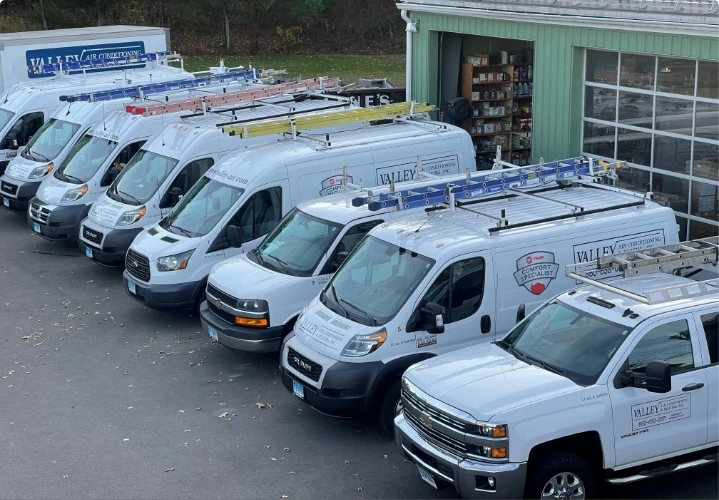
At Valley Air Conditioning & Heating, LLC, we have been serving Connecticut homeowners for more than 35 years. Our team is committed to providing helpful, dependable, and professional service, and we always look for every reasonable way to repair your current system before recommending replacement. When it is time for a new system, you can count on us for reliable cooling solutions and quality installation tailored to your home.
If you are considering a new AC system in Simsbury, knowing what affects the final price can help you plan ahead and choose the option that makes the most sense for your comfort and budget.

What Does AC Installation Cost in Simsbury, CT?
Air conditioning installation costs can vary widely based on your home, the equipment you choose, and the complexity of the installation.
In Connecticut, central air installation often ranges from $6,000 to $17,000, depending on system size, efficiency, ductwork needs, and labor requirements. For smaller or simpler jobs, some homeowners may see lower entry-level installation costs, but full central air systems typically land at the higher end once equipment and installation factors are fully considered.
The best way to get an accurate number is to schedule a home evaluation. Every home is different, and a professional assessment helps determine the right system and the work required for dependable, efficient performance.
The Air Conditioning Unit Itself
The AC equipment itself is usually the largest part of the installation cost. Pricing is influenced by several factors, including the size of the system, its efficiency rating, and the type of equipment selected.
Larger homes need greater cooling capacity, which is typically measured in tonnage. As system capacity increases, equipment costs usually increase as well. Efficiency also matters. Higher-efficiency systems often cost more up front, but they can help reduce energy use and lower monthly utility bills over time.
The type of system you choose also affects the final cost. Depending on your home’s layout and comfort needs, options may include:
Central Air Conditioning Systems
These are a common choice for homes with existing ductwork and can provide whole-home cooling. They are designed to distribute conditioned air evenly through the home, which can support consistent comfort from room to room. For many homeowners, central air is a practical option when reliable cooling and a traditional whole-house setup are the top priorities.
Heat Pumps
Heat pumps provide both heating and cooling, which can make them an appealing long-term option for many Connecticut homeowners. Because they handle year-round comfort, they can be an efficient solution for households looking to combine two functions in one system. They are often worth considering for homeowners who want flexibility, energy savings, and dependable indoor comfort across multiple seasons.
Ductless Mini-Split Systems
These systems are ideal for homes without existing ductwork, additions, or areas where zoning flexibility is important. They allow homeowners to cool specific rooms or zones without the need for major duct installation, which can make them a practical solution for many layouts. Ductless mini-splits are also a strong option for improving comfort in hard-to-cool spaces while maintaining better control over where energy is used.
Packaged HVAC Units
Packaged systems combine components into a single cabinet and may be appropriate for certain homes and installation setups.
While higher-efficiency systems often involve a larger initial investment, they may provide meaningful savings over the life of the system when properly selected and installed.
Labor and Installation Complexity
Labor is another major part of the overall installation cost. Professional installation helps ensure the system runs safely, efficiently, and reliably from day one. Installation pricing can vary based on the layout of the home, how accessible the work areas are, the amount of time the project requires, and whether any existing equipment needs to be removed. During a standard installation, technicians typically remove the old equipment, install the indoor and outdoor components, complete electrical connections, connect refrigerant lines, and test and calibrate the system. Proper workmanship matters because an improperly installed AC system can lead to reduced efficiency, uneven cooling, more frequent breakdowns, and a shorter equipment lifespan, which is why working with an experienced team is so important.
Ductwork Modifications or Installation
Your ductwork can have a major impact on both installation cost and system performance. Many homes in the Simsbury area have older duct systems that may need repairs or upgrades before they can properly support a new air conditioner. If ductwork is outdated, undersized, leaking, or poorly sealed, it can restrict airflow and make it harder for your new system to cool the home evenly. In some cases, homeowners may need duct sealing, duct repairs, airflow balancing, added insulation around ducts, or new duct runs in certain areas. Addressing duct issues during installation can help your system operate more efficiently and improve comfort throughout the home while also helping prevent hot and cold spots, humidity issues, and unnecessary energy waste.
Permits and Local Code Requirements
HVAC installation projects often require permits and inspections to help ensure the work meets local building codes and safety standards. These requirements can vary based on the municipality and the scope of the installation.
While permit costs are usually a smaller part of the total project price, they still matter. Proper permits and inspections help confirm that the installation has been completed correctly and can protect homeowners from future code or safety concerns.
When you work with a qualified HVAC contractor, you can better understand which local requirements apply to your project and how they may affect the final cost.
Additional Features and Upgrades
Many homeowners choose to include upgrades during a new AC installation to improve comfort, convenience, and system performance. Depending on your goals, these upgrades may include smart thermostats for easier temperature control, zoning systems for customized comfort in different areas of the home, advanced air filtration for better indoor air quality, humidity control features, and electrical surge protection for HVAC equipment. While these additions are optional, they can provide meaningful value and are often more cost-effective to install during the initial AC project rather than adding them later.
What to Do Before Installing a New AC System
If you are planning AC installation, taking a few steps beforehand can help you make the right decision for your home.
- Schedule a Professional Home Evaluation
A qualified technician should perform a load calculation to determine the correct system size. This process looks at square footage, insulation, layout, windows, and other factors to match the equipment to your home.
- Compare Efficiency Ratings
Higher-efficiency systems can reduce energy use and may offer better long-term value, especially if your current system is older or struggling to keep up.
- Evaluate Your Ductwork
Have your duct system inspected to determine whether repairs, sealing, or modifications are needed for proper airflow.
- Review Financing or Incentive Opportunities
Depending on the equipment selected, you may want to ask about financing options, manufacturer promotions, rebates, or available tax incentives tied to qualifying high-efficiency equipment.
- Work With an Experienced HVAC Contractor
Proper installation is essential. A knowledgeable contractor can help you choose the right system, explain the scope of work clearly, and install everything correctly for dependable performance.
How Regular Maintenance Can Help Prevent Costly Repairs
Once your new AC system is installed, regular maintenance helps protect your investment. Seasonal service can improve efficiency, support better performance, and reduce the risk of unexpected breakdowns.
Routine maintenance can help with:
- Improved energy efficiency
- Lower utility costs
- Fewer surprise repairs
- Longer system lifespan
- Better indoor air quality
Professional tune-ups also help identify small issues before they turn into more expensive problems.
Why Proper AC Sizing Matters for Your Home
Correct sizing is one of the most important parts of a successful AC installation. An oversized system may cool the home too quickly without removing enough humidity, while an undersized system may run longer than it should and still struggle to keep you comfortable.
A professional load calculation helps ensure your new system is matched to your home’s size, insulation, layout, and cooling demands. Proper sizing supports better comfort, more consistent temperatures, improved humidity control, and efficient operation.
FAQs About AC Installation in Simsbury, CT
Question: How much does AC installation cost in Simsbury, CT?|
Answer: Most homeowners spend $6,000–$17,000 depending on system size, efficiency, ductwork needs, and installation complexity. Homes that require ductwork upgrades, higher-efficiency systems, or larger units may see costs on the higher end of this range.
Question: How long does AC installation take?
Answer: Most residential AC installations take one day to complete under normal conditions. However, projects that involve ductwork modifications, electrical upgrades, or complex system configurations may require additional time.
Question: Should I repair or replace my AC system?
Answer: If your system is over 10–15 years old, requires frequent repairs, or has rising energy bills, replacement is usually the more cost-effective solution. A newer system can improve energy efficiency, reduce repair costs, and provide more reliable cooling for your home.
Question: What size AC unit does my home need?
Answer: System size depends on home square footage, insulation, layout, and climate conditions. A professional load calculation evaluates these factors to determine the properly sized unit for efficient and consistent cooling.
Question: How often should my AC system be serviced?
Answer: Most HVAC experts recommend professional AC maintenance once per year, ideally before summer begins. Regular servicing helps improve efficiency, prevent unexpected breakdowns, and extend the lifespan of your cooling system.
Stay Cool With Professional AC Installation
Homeowners in Simsbury and surrounding Hartford and Litchfield County communities count on Valley Air Conditioning & Heating, LLC for helpful, dependable, and professional HVAC service. Whether you are replacing an aging system or installing AC for the first time, our team is here to help you find a solution that fits your home and your needs.
If your current system is no longer keeping you comfortable, schedule service with Valley Air Conditioning & Heating, LLC to discuss your AC installation.